Returning to Pickleball After Injury
Coming back too fast is how a 3-week injury becomes a 3-month one. Here's the staged ramp that actually works.
Affiliate disclosure: As an Amazon Associate I earn from qualifying purchases. This does not affect our recommendations or rankings.
Medical disclaimer: Consult with a doctor before beginning any exercise program or using any product described on this page. This information is for educational purposes and is not a substitute for professional medical diagnosis or treatment.
The most common complication of a pickleball injury isn't the injury itself — it's the return. The pain fades, the court calls, and a player who has been out for three weeks jumps straight back into four sessions of competitive doubles. A week later the pain is back, worse than before, and now it's chronic. Tendons and ligaments don't heal on a calendar; they heal on a loading schedule. This guide lays out the staged return that sports medicine actually recommends: drills before games, games before volume, and a simple test that tells you whether you're ready for the next step.
Why the return matters more than the rehab
Rehab rebuilds tissue capacity. The return tests it. A tendon that has been rested for weeks is weaker than it was before the injury — it has lost some of its load tolerance. Throwing full competitive volume at it on day one is the fastest way to re-injure it, because competitive play adds unpredictable loads: lunges you didn't plan, overheads you had to chase, rallies that run long.
The pattern is so consistent that clinicians treat the return as its own phase of recovery, with its own rules. The players who come back successfully aren't the ones who healed fastest — they're the ones who ramped slowest.
The 4-stage ramp
Move to the next stage only when the current one is pain-free for two consecutive sessions. If pain returns, drop back one stage for a week. The whole ramp typically takes 2–4 weeks depending on the injury.
Stage 1 — Move without pain
Walking, gentle range of motion, and the rehab exercises from your injury guide. No court time yet. The test: you can do your daily activities and your exercises without pain during or the morning after.
Stage 2 — Drills, no games
Short, controlled court sessions: dinking, soft volleys, gentle serves. 20–30 minutes, no competitive rallies, no lunging for balls you can't reach comfortably. The test: no pain during the session and no worse-than-baseline soreness the next morning.
Stage 3 — Modified games
Real games, but with guardrails: one session, 60 minutes max, and an agreement with your partners that you'll let the hard balls go. Skip the overheads you have to backpedal for. The test: you finish the session and the next morning feels the same as the morning before it.
Stage 4 — Full volume
Add sessions back one at a time, a week apart. Don't jump from one session to four in a single week — that's the exact volume ramp that caused the injury in the first place. Keep doing the rehab exercises for at least 4 weeks after you're back to full play; the tissue is still remodeling.
The 24-hour rule
A useful test in return-to-play: how do you feel the morning after? Mild soreness that fades within a day is normal — it's the tissue adapting. Pain that's worse the next morning, or that lingers into the second day, means you did too much. Drop back one stage and try again in a few days.
This rule works because tendon and muscle soreness from appropriate loading resolves within 24 hours. Pain that outlasts that window is the tissue telling you the load exceeded its current capacity. Listen the first time — the second warning is usually an injury.
What to wear and use on the way back
A brace or sleeve during the return phase is sensible, not a crutch. A counterforce strap for tennis elbow, a knee sleeve for knee pain, or an ankle brace after a sprain all reduce the load on healing tissue while you rebuild capacity. Plan to wean off them over 4–6 weeks as strength returns — but don't rush to ditch them in the first two weeks back.
Good court shoes matter even more during a return than usual, since your movement patterns are rusty and your balance is slightly off. If your shoes are past 6 months, replace them before your first session back.
Red flags that mean stop
Stop the ramp and see a clinician if any of these happen: sharp pain during a specific movement, pain that wakes you at night, swelling that appears within hours of play, a feeling of instability or 'giving way', numbness or tingling, or pain that gets worse week over week despite dropping back a stage. These suggest something structural that a ramp alone won't fix.
Recommended Gear for This Guide
The products this guide actually names — ranked by fit, with honest limitations. As an Amazon Associate I earn from qualifying purchases. How we choose →
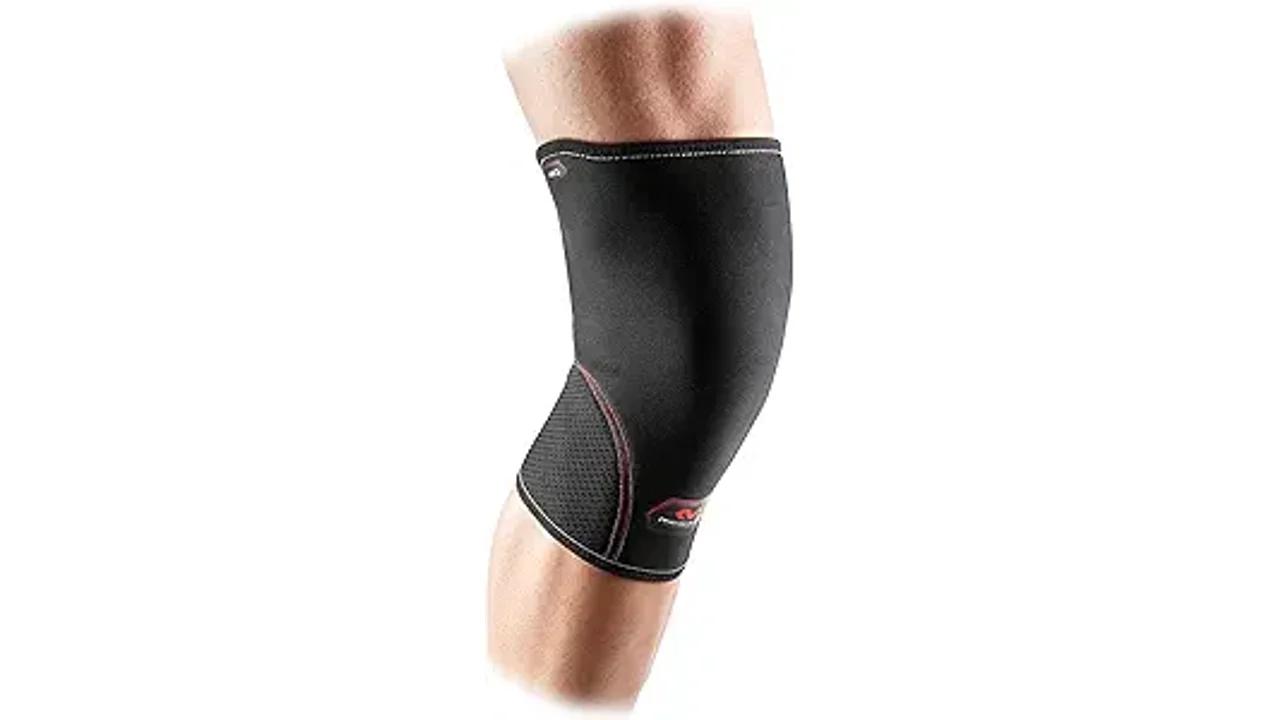
McDavid Knee Compression Sleeve
4-way stretch sleeve designed to provide compression and warmth during activity
Does not do — cure the injury on its own. It supports recovery alongside rest, exercises, and medical care when those are needed.
Why consider itSizing up is frequently recommended when between sizes, since a sleeve that's too tight may restrict circulation. Consult the manufacturer's size chart.
Skip if you need rigid support after a real injury — this is compression, not a structural brace.
Why this product — our top fit for this injury by our scoring. The clinical evidence supports this product's category — this exact model has not been independently tested.
Paid link · We may earn a commission from qualifying purchases.
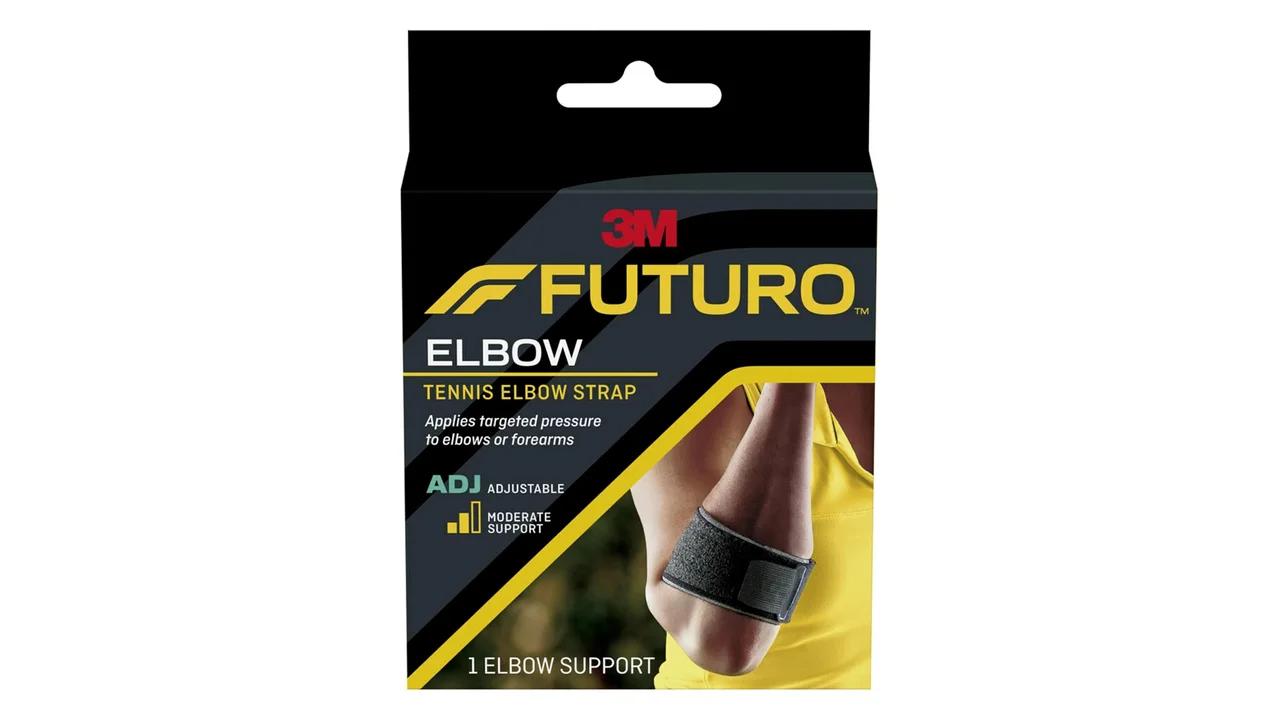
Futuro Tennis Elbow Strap
Counterforce strap designed to redirect force at the forearm
Does not do — cure the injury on its own. It supports recovery alongside rest, exercises, and medical care when those are needed.
Why consider itThe pressure pad is commonly positioned over the forearm muscle belly, roughly 1–2 inches below the elbow joint. Follow the product's fitting instructions; a clinician can help with proper placement.
Skip if your pain is on the inner elbow (golfer's elbow) — this strap targets the outer elbow.
Why this product — our top fit for this injury by our scoring. The clinical evidence supports this product's category — this exact model has not been independently tested.
Paid link · We may earn a commission from qualifying purchases.
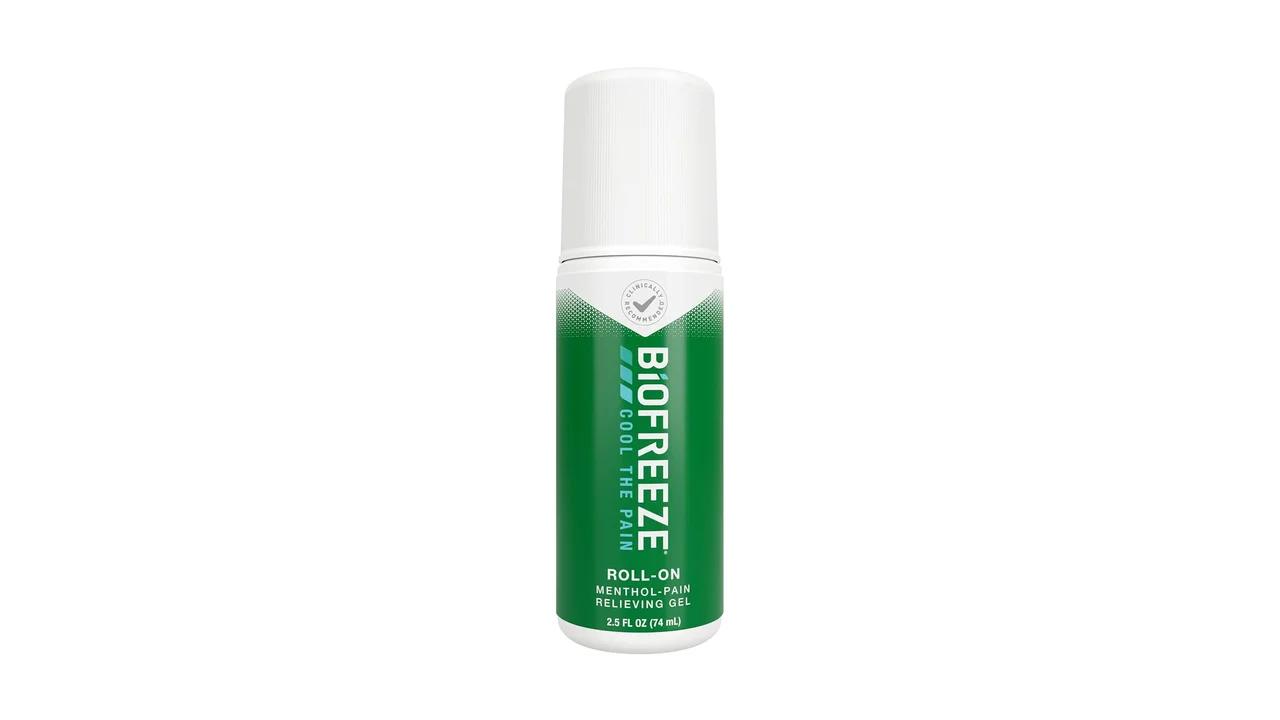
Biofreeze Pain Relief Roll-On
Topical menthol-based product marketed for temporary muscle discomfort
Does not do — cure the injury on its own. It supports recovery alongside rest, exercises, and medical care when those are needed.
Why consider itFollow the product label for usage instructions and precautions. Not intended for use on broken skin or for long-term pain management without medical guidance.
Skip if you want lasting relief — this masks pain temporarily, it doesn't fix the cause.
Why this product — a supporting option for this injury by our scoring. The clinical evidence supports this product's category — this exact model has not been independently tested.
Paid link · We may earn a commission from qualifying purchases.
The 5-Minute Warm-Up Checklist
The exact routine from our warm-up guide, on one printable page. Tape it to your gear bag and do it before every session — it's the single highest-leverage injury-prevention habit in pickleball.
Frequently Asked Questions
How do I know I'm ready to return to pickleball?
You can do your daily activities and your rehab exercises without pain, and you can complete a 20–30 minute drill session with no pain during or the morning after. Pain-free movement is the entry ticket; the staged ramp is how you prove the tissue is ready for more.
Can I play through mild pain when I return?
Mild discomfort (roughly 3–4 out of 10) during activity that fades within 24 hours is generally acceptable — it's the tissue adapting. Sharp pain, pain that worsens during the session, or soreness that lingers into the second day means you did too much. Drop back a stage.
Should I wear a brace when I return to play?
Yes, during the first 2–4 weeks back. A brace or sleeve reduces load on healing tissue while you rebuild capacity. Plan to wean off over 4–6 weeks as strength returns — but don't rush to ditch it in the first two weeks, when re-injury risk is highest.
Do I need to keep doing my rehab exercises after I return?
Yes — keep doing them for at least 4 weeks after you're back to full play. The tissue is still remodeling, and the exercises are what keep the capacity you rebuilt. Most re-injuries happen in the first month back, and it's usually the players who stopped the exercises the day they returned.
Sources & Further Reading
Content on this page synthesizes information from the following publicly available sources. We are not affiliated with these organizations and link out for transparency only.
- 01British Journal of Sports Medicine. Dubois & Esculier, "Soft-tissue injuries simply need PEACE and LOVE" (2020) — The modern acute-care framework behind the staged return in this guide.
- 02ChoosePT (American Physical Therapy Association). Physical Therapy Guide to Sports Injury Prevention
- 03American Academy of Orthopaedic Surgeons (OrthoInfo). Sports Injury Prevention (AAOS OrthoInfo)
- 04Mayo Clinic. Muscle Strains — Symptoms & Causes
Related Injury Guides
Tennis Elbow
Lateral epicondylitis causing outer elbow pain from repetitive swing motion.
Knee Pain
Patellar stress and joint inflammation from lateral court movements.
Achilles Tendonitis
Pain at the back of the heel from repetitive push-off load. Among the most common serious injuries in recreational pickleball.
Hamstring Strain
Back-of-thigh muscle strain from the rapid acceleration/deceleration pattern of court play.
Falls & Fractures
Fall and fracture prevention for players 65+ — balance, leg strength, and court safety.
Keep Reading
The Pickleball Recovery Protocol
The evidence-informed recovery protocol for pickleball players. Session-by-session framework: warm-up, post-play routine, weekly maintenance.
The 5-Minute Pickleball Warm-Up
The 5-minute pickleball warm-up routine that prevents tennis elbow, calf strains, and Achilles issues. Do this before every match.
Build Your Personalized Kit
Put what you just read into action. Our selector cross-references your specific pain points against every product in our database.