Best Pickleball Court Shoes: How to Choose
The single highest-leverage gear decision in pickleball — and the one most players get wrong.
Affiliate disclosure: As an Amazon Associate I earn from qualifying purchases. This does not affect our recommendations or rankings.
Medical disclaimer: Consult with a doctor before beginning any exercise program or using any product described on this page. This information is for educational purposes and is not a substitute for professional medical diagnosis or treatment.
Ask a sports-medicine clinician what one change would prevent the most pickleball injuries, and the answer is usually the same: proper court shoes. Not a better paddle. Not a new brace. Shoes. Most recreational players show up in running shoes — soft midsoles, narrow bases, no lateral support — and then wonder why their ankles roll, their arches ache, and their knees complain. This guide explains what makes a court shoe different, how to pick the right pair for your feet, and when to retire them.
Superfeet GREEN Insoles
Structured insoles designed to provide arch support for court-sport athletes
Why consider it — Can be trimmed to shoe size using the guide lines printed on the insole. Individual fit varies — consider replacing if the shape doesn't match your foot.
Skip if your shoes already have strong built-in arch support.
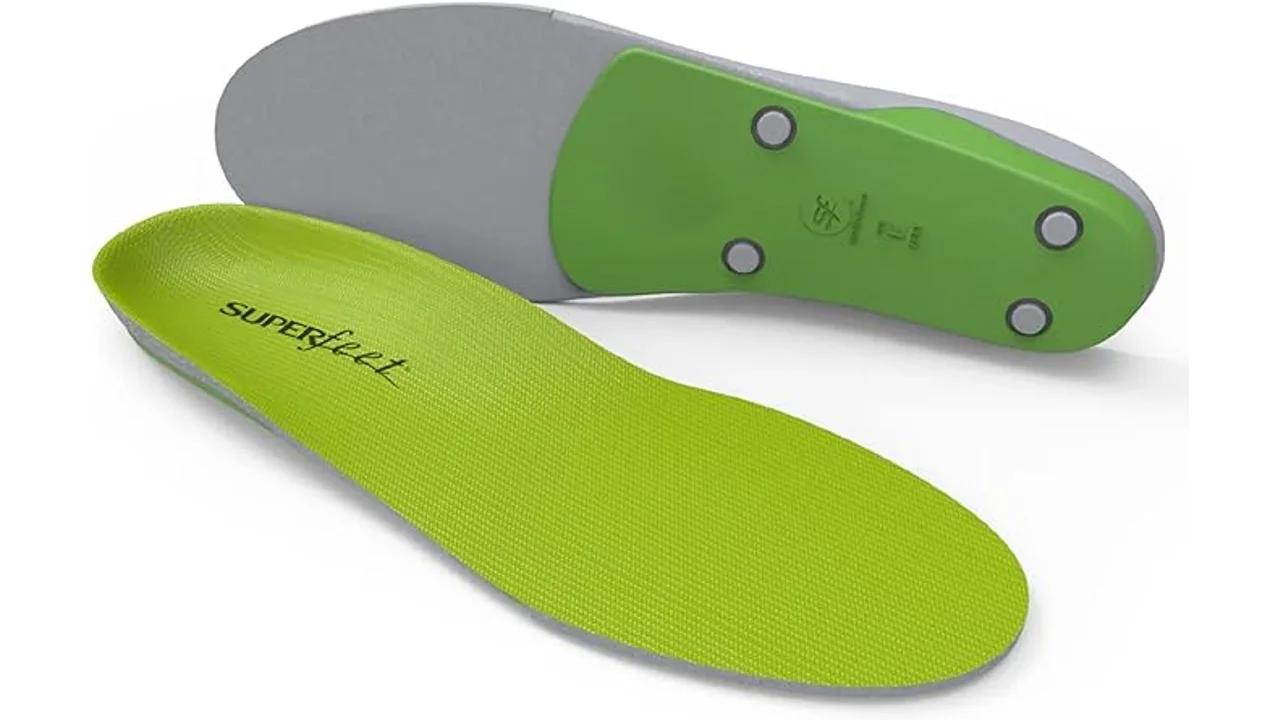
Superfeet GREEN Insoles
Structured insoles designed to provide arch support for court-sport athletes
Does not do — cure the injury on its own. It supports recovery alongside rest, exercises, and medical care when those are needed.
Why consider itCan be trimmed to shoe size using the guide lines printed on the insole. Individual fit varies — consider replacing if the shape doesn't match your foot.
Skip if your shoes already have strong built-in arch support.
Why this product — our top fit for this injury by our scoring. The clinical evidence supports this product's category — this exact model has not been independently tested.
Paid link · We may earn a commission from qualifying purchases.
Picked by our scoring (evidence 40%, condition fit 30%, user reports 20%, durability 10%) — not by commission. How we choose →
Why your shoes matter more than your paddle
Pickleball is a lateral sport played on a hard surface. Every rally involves shuffling sideways, planting, stopping, and pushing off — movements that load the foot and ankle from the side. Running shoes are built for the opposite: forward motion, soft landings, and a narrow heel-to-toe roll. Put a forward-motion shoe on a lateral sport and the shoe becomes the weak link.
The injury chain is predictable. A soft, narrow shoe lets the ankle roll inward on a lateral cut. That roll strains the ankle ligaments, shifts load to the arch, and changes how the knee tracks. One wrong shoe choice can feed ankle sprains, plantar fasciitis, and knee pain at the same time — which is why so many players arrive at this site with two or three of those conditions at once.
What makes a court shoe
Four features separate a real court shoe from a running shoe. Check all four before you buy.
Lateral support
A rigid heel counter and a firm midfoot shank keep the foot from rolling sideways. Twist the shoe: a court shoe resists twisting across its middle, while a running shoe folds easily. If it twists like a towel, it won't protect your ankle.
Outsole grip
A herringbone or modified-herringbone tread pattern grips indoor and outdoor court surfaces without sticking. Too much grip is as bad as too little — a shoe that plants and won't release can torque the knee. Court-specific outsoles are tuned for the stop-start rhythm of racquet sports.
Low, stable cushioning
Court shoes sit lower to the ground than running shoes, with firmer cushioning. A tall, soft stack feels comfortable in the store but raises your center of gravity and makes the ankle easier to roll. Stability beats plushness on a court.
Fit and toe box
Your toes need room to spread on lateral stops. A narrow toe box squeezes the forefoot and is a direct contributor to bunions and foot fatigue. If you have wide feet or bunions, look for wide (2E) options or a shoe with a naturally roomy forefoot — and consider a shoe stretcher for leather uppers.
How to pick your pair
Try shoes on in the afternoon, when your feet are slightly swollen from the day — that's closer to how they'll feel mid-match. Wear your court socks. Stand, then shuffle side to side in the aisle: the heel should stay locked, the forefoot should feel supported, and your toes shouldn't hit the front.
A practical shortlist: dedicated pickleball shoes from the major court-sport brands, or tennis shoes from the same brands — the two categories are close cousins and both work. Squash and indoor court shoes are also fine. What to avoid: running shoes, cross-trainers with soft midsoles, and anything marketed as a 'walking shoe' for court use.
If you have flat feet or high arches, a structured insole can make an average shoe feel like a good one. Insoles don't fix a bad shoe, but they meaningfully improve a decent one — see our plantar fasciitis guide for the insole options players use most.
When to replace them
With regular play (3+ sessions per week), replace court shoes every 6 months — sooner if you play daily. The signs are easy to spot: the outsole tread is smooth at the pivot points, the heel counter flexes when you squeeze it, or the shoe leans to one side when you set it on a flat surface.
Worn-out court shoes are worse than cheap new ones. The support structures that protect your ankle are the first things to break down, and they fail silently — the shoe still looks fine while the lateral support is gone. If you're nursing an ankle or knee issue and your shoes are past 6 months, new shoes are the cheapest intervention available.
Recommended Gear for This Guide
The products this guide actually names — ranked by fit, with honest limitations. As an Amazon Associate I earn from qualifying purchases. How we choose →
Superfeet GREEN Insoles
Structured insoles designed to provide arch support for court-sport athletes
Does not do — cure the injury on its own. It supports recovery alongside rest, exercises, and medical care when those are needed.
Why consider itCan be trimmed to shoe size using the guide lines printed on the insole. Individual fit varies — consider replacing if the shape doesn't match your foot.
Skip if your shoes already have strong built-in arch support.
Why this product — our top fit for this injury by our scoring. The clinical evidence supports this product's category — this exact model has not been independently tested.
Paid link · We may earn a commission from qualifying purchases.
PowerStep Pinnacle Insoles
Full-length orthotic insoles with built-in arch support for plantar fasciitis relief
Does not do — cure the injury on its own. It supports recovery alongside rest, exercises, and medical care when those are needed.
Why consider itOrdered by shoe size — no trimming needed. Replace your shoe's factory insole with the PowerStep rather than stacking them on top of each other.
Skip if you have very high arches — the Pinnacle is a neutral-arch model; high-arch feet usually do better with a high-arch insole.
Why this product — our top fit for this injury by our scoring. The clinical evidence supports this product's category — this exact model has not been independently tested.
Paid link · We may earn a commission from qualifying purchases.
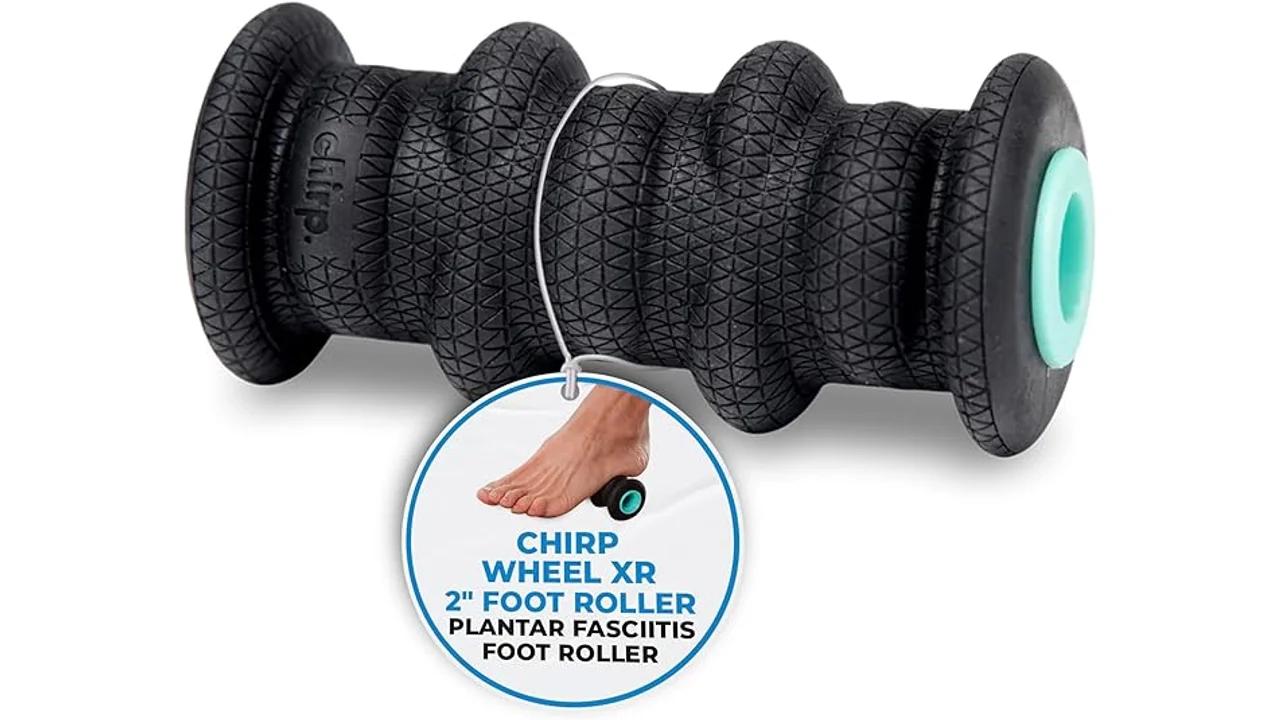
Chirp Foot Roller
Textured foot roller designed to mobilize the plantar surface of the foot
Does not do — cure the injury on its own. It supports recovery alongside rest, exercises, and medical care when those are needed.
Why consider itMany users spend a few minutes per foot after activity. Start with gentle pressure and stop if sharp pain occurs.
Skip if you have sharp heel pain that could be a stress fracture — see a doctor first.
Why this product — our top fit for this injury by our scoring. The clinical evidence supports this product's category — this exact model has not been independently tested.
Paid link · We may earn a commission from qualifying purchases.
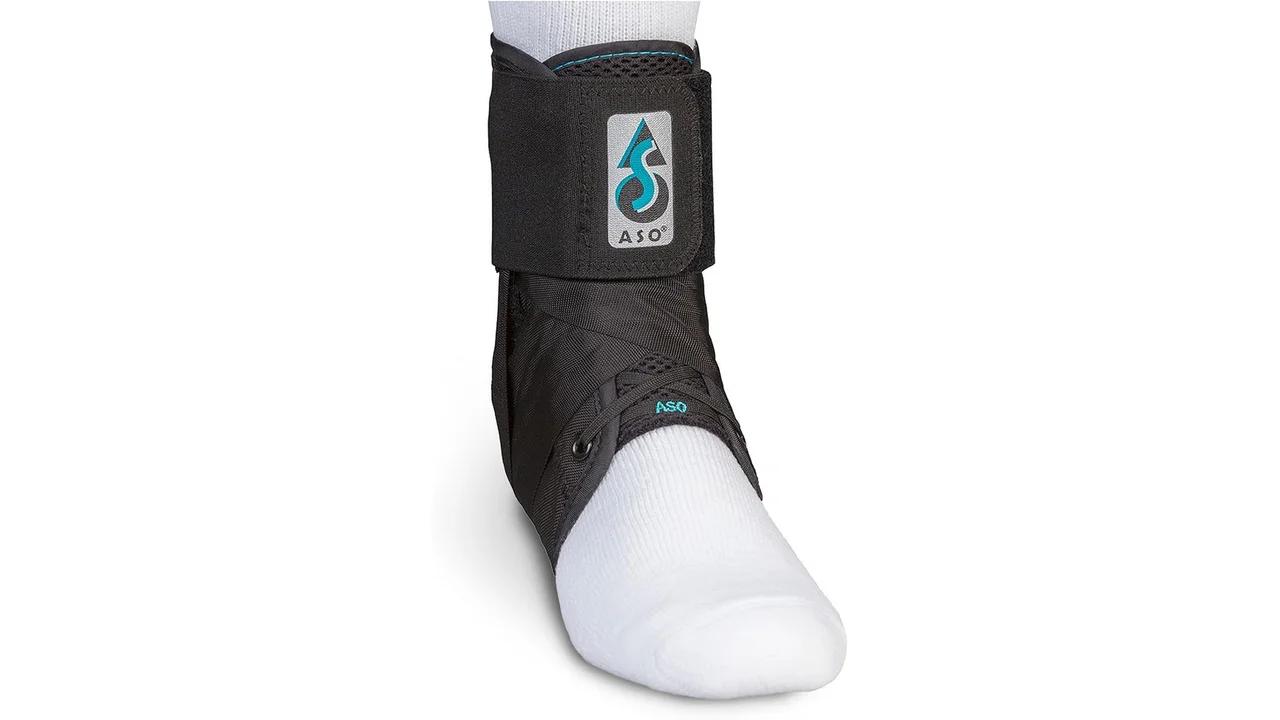
Med Spec ASO Ankle Stabilizer
Lace-up ankle brace with figure-8 straps designed to limit ankle inversion
Does not do — cure the injury on its own. It supports recovery alongside rest, exercises, and medical care when those are needed.
Why consider itThe brace adds some volume inside the shoe. Pairing with a low-profile court shoe is a common approach.
Skip if your ankle is fully healthy — this is for instability or a sprain history.
Why this product — our top fit for this injury by our scoring. The clinical evidence supports this product's category — this exact model has not been independently tested.
Paid link · We may earn a commission from qualifying purchases.
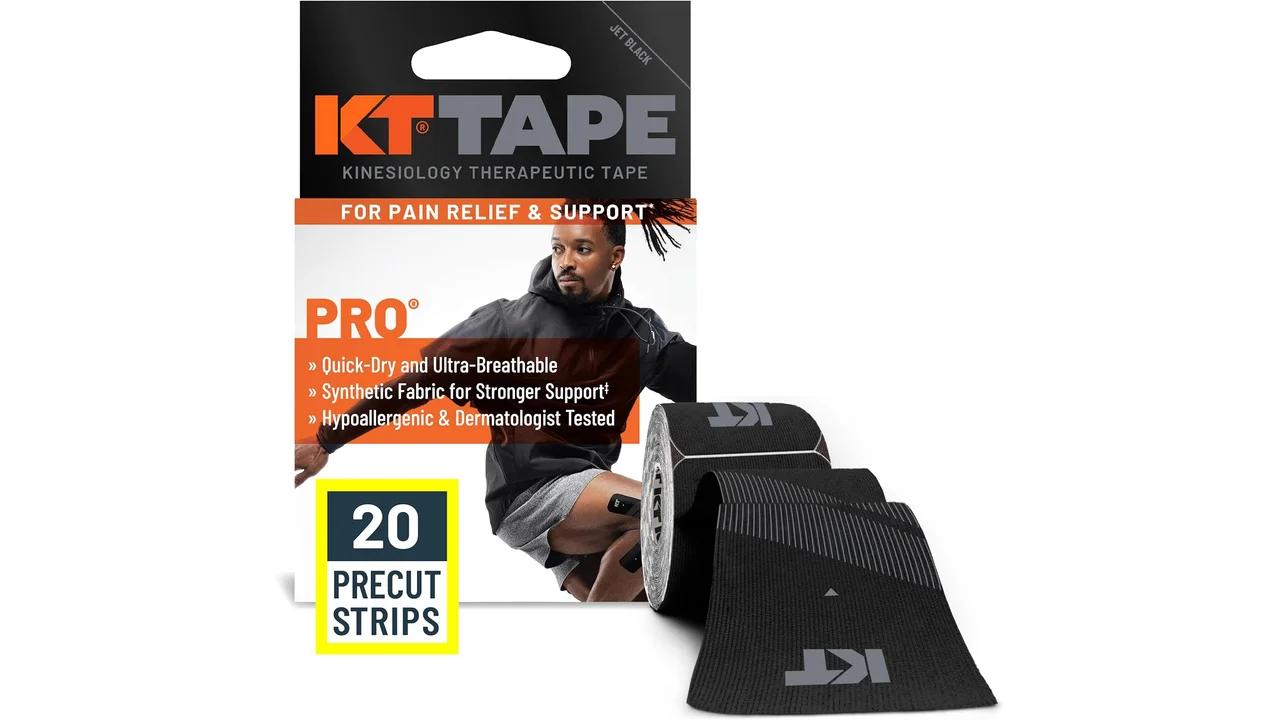
KT Tape Pro Kinesiology Tape (20 Precut Strips)
Synthetic kinesiology tape for flexible muscle and joint support during play
Does not do — cure the injury on its own. It supports recovery alongside rest, exercises, and medical care when those are needed.
Why consider itApply to clean, dry skin at least 30 minutes before play and round the tape corners so it doesn't peel mid-game. Tape supports the area — it doesn't replace rest or strengthening.
Skip if you want rigid support — tape gives flexible, light support only, and a brace will do more for instability.
Why this product — a supporting option for this injury by our scoring. The clinical evidence supports this product's category — this exact model has not been independently tested.
Paid link · We may earn a commission from qualifying purchases.
Zamst A2-DX Ankle Brace
Hinged high-support ankle brace for players returning from a sprain
Does not do — cure the injury on its own. It supports recovery alongside rest, exercises, and medical care when those are needed.
Why consider itA hinged, high-support brace for coming back from a sprain — lace it snug, then set the stabilizers; it should feel restrictive at first. Note: this ASIN is for one size/side variant, so confirm your size and left/right on the product page before ordering.
Skip if you only need light support for daily wear — a lace-up sleeve is cheaper and less bulky.
Why this product — our top fit for this injury by our scoring. The clinical evidence supports this product's category — this exact model has not been independently tested.
Paid link · We may earn a commission from qualifying purchases.
Which foot support fits your game?
Same sore feet, different tools. The insoles support the arch inside the shoe, the ankle braces add lateral stability, the tape supports a specific sore spot, and the foot roller is the recovery tool for after play.
| Product | Best for | Watch out for |
|---|---|---|
| SuperfeetSuperfeet GREEN Insoles | Structured insoles designed to provide arch support for court-sport athletes | Skip if your shoes already have strong built-in arch support. |
| PowerStepPowerStep Pinnacle Insoles | Full-length orthotic insoles with built-in arch support for plantar fasciitis relief | Skip if you have very high arches — the Pinnacle is a neutral-arch model; high-arch feet usually do better with a high-arch insole. |
| ChirpChirp Foot Roller | Textured foot roller designed to mobilize the plantar surface of the foot | Skip if you have sharp heel pain that could be a stress fracture — see a doctor first. |
| Med SpecMed Spec ASO Ankle Stabilizer | Lace-up ankle brace with figure-8 straps designed to limit ankle inversion | Skip if your ankle is fully healthy — this is for instability or a sprain history. |
| KT TapeKT Tape Pro Kinesiology Tape (20 Precut Strips) | Synthetic kinesiology tape for flexible muscle and joint support during play | Skip if you want rigid support — tape gives flexible, light support only, and a brace will do more for instability. |
| ZamstZamst A2-DX Ankle Brace | Hinged high-support ankle brace for players returning from a sprain | Skip if you only need light support for daily wear — a lace-up sleeve is cheaper and less bulky. |
As an Amazon Associate I earn from qualifying purchases. Prices change — check the product page for the current price.
Frequently Asked Questions
Can I play pickleball in running shoes?
You can, but it's the most common preventable cause of ankle sprains, plantar fasciitis, and knee pain on the court. Running shoes are built for forward motion with soft midsoles and no lateral support. Court shoes cost about the same and are designed for exactly the movements pickleball demands.
How often should I replace my court shoes?
Every 6 months with regular play (3+ sessions per week), sooner if you play daily. Check the outsole tread at the pivot points and squeeze the heel counter — if the tread is smooth or the counter flexes easily, the support is gone even if the shoe still looks fine.
Are expensive court shoes better than cheap ones?
Up to a point. The jump from running shoes to any real court shoe matters far more than the jump from a basic court shoe to a premium one. Fit and lateral support matter more than price or brand. Buy the pair that locks your heel and fits your forefoot — then replace it on schedule.
Do I need wide shoes for pickleball?
If your toes feel squeezed or you have bunions, yes — a wide (2E) fit or a naturally roomy forefoot makes a real difference. Narrow shoes compress the forefoot on every lateral stop and are a direct contributor to bunion pain and foot fatigue.
Sources & Further Reading
Content on this page synthesizes information from the following publicly available sources. We are not affiliated with these organizations and link out for transparency only.
- 01American Academy of Orthopaedic Surgeons (OrthoInfo). Plantar Fasciitis and Bone Spurs
- 02Mayo Clinic. Plantar Fasciitis — Symptoms & Causes
- 03NIH / NIAMS. Plantar Fasciitis (NIH/NIAMS Overview)
- 04ChoosePT (American Physical Therapy Association). Physical Therapy Guide to Plantar Fasciitis
- 05American Academy of Orthopaedic Surgeons (OrthoInfo). Sprained Ankle
Related Injury Guides
Plantar Fasciitis
Heel and arch pain from repetitive court movement and improper footwear.
Ankle Instability
Rolling and instability from quick lateral court changes.
Knee Pain
Patellar stress and joint inflammation from lateral court movements.
Foot Fatigue
General fatigue and soreness from extended court sessions.
Bunions & Toe Issues
Bunions (hallux valgus) and tailor's bunionette cause pain at the big-toe or pinky-toe joint. Aggravated by lateral court pressure and narrow court shoes.
Keep Reading
How to Prevent Pickleball Injuries
The evidence-informed playbook for preventing pickleball injuries. Shoes, bracing, warm-up, strength work, and technique adjustments that actually work.
Pickleball for Seniors: The Safe-Play Guide
Pickleball for players over 60: injury risks to know, how to prepare your body, what gear matters, and playing safely into your 70s and 80s.
Build Your Personalized Kit
Put what you just read into action. Our selector cross-references your specific pain points against every product in our database.